Related Products


Nov. 05, 2026
In today’s fast-paced world, where emergencies can strike without warning, the urgency of incorporating Automated External Defibrillators (AEDs) into every facility cannot be overstated. Heart disease remains the leading cause of death globally, accountable for around 17.9 million fatalities each year, according to the World Health Organization. This staggering statistic reveals a severe gap in immediate medical access that can mean the difference between life and death. As a proponent of facility safety and emergency readiness, I understand that neglecting to equip a facility with AEDs is not merely an oversight; it poses a grave risk to the lives of employees and visitors. The implications of this lack of preparedness can reverberate throughout an organization—gorning their reputation, financial stability, and operational continuity.
To delve deeper into why this urgency exists, we need to investigate the multifaceted causes behind heart-related emergencies in public spaces. Sudden cardiac arrest (SCA) can happen to anyone, regardless of age or health status, and the most critical determinant of survival is the time it takes to administer defibrillation. The American Heart Association states that for every minute that passes without intervention, the likelihood of survival decreases by 7-10%. Despite the overwhelming evidence, many facilities still remain devoid of AEDs due to factors such as budget constraints, lack of knowledge, or underestimating the risk of cardiac emergencies. This reluctance to embrace lifesaving technology ultimately transforms into a costly gamble on human life.
The impact of this negligence extends far beyond the individual and can significantly alter the landscape of entire industries. For organizations, having AEDs readily available is not just about compliance with occupational safety regulations; it is a savvy business move that prioritizes the well-being of employees and clients alike. Facilities equipped with AEDs demonstrate a commitment to health and safety standards that can enhance reputation, increase employee morale, and possibly reduce insurance premiums. Failure to prioritize these devices may render a facility susceptible to lawsuits and reputational damage, further jeopardizing financial health and stakeholder trust.
Consider the case of a corporate office that decided to invest in AEDs as part of its comprehensive emergency response plan. After installing the devices and training employees on their use, they experienced a critical incident where an employee went into sudden cardiac arrest. Thanks to the swift action of trained coworkers and immediate access to an AED, the employee survived and resumed normal activities. Data from this situation illustrates a crucial point—the ability to respond effectively in emergencies not only saves lives but also reinforces the value of being well-equipped. Moreover, multiple studies indicate that workplace emergencies involving cardiac arrests occur more frequently than one may anticipate, further solidifying the need for proactive measures in emergency readiness (Journal of Occupational Health).
Ignoring the importance of AEDs can lead to dire consequences, particularly as societal norms shift towards more awareness of health risks in workplace environments. As we continue to witness rising health concerns exacerbated by modern lifestyles, facilities that neglect to install AEDs are doing so at their own peril. The potential fallout includes not just loss of life, but also the substantial financial and emotional toll on families, employees, and the broader community. Legal ramifications in the form of sanctions, lawsuits, and settlements can cripple organizations, while a tarnished reputation may lead to long-term declines in client trust and employee retention rates.
In conclusion, the evidence is compelling: every facility needs AEDs now more than ever. Investing in these lifesaving devices is not merely a regulatory checkbox; it signifies a commitment to preserving lives and fostering a safer environment for everyone. Just as I advocate for proactive emergency readiness and compliance, I urge you to take immediate steps to ensure your facility is equipped with AEDs. Don’t wait for a moment of crisis to act; instead, make the decision to protect lives and contribute to a culture of safety today.
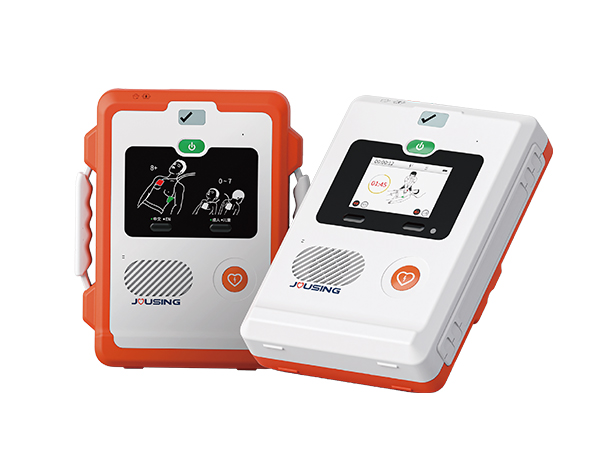
By choosing to act, you’re not only safeguarding your employees and clients but also reinforcing your organization’s reputation as a responsible and proactive facility. Let’s embrace the obligation to be prepared. For more information on acquiring AEDs, I invite you to explore the offerings at Jousing Medical, where you can find quality products that adhere to industry standards and ensure safety in any facility. Remember, readiness begins with you—act now and make every second count in saving lives.
Prev: None
Related Products
Latest news
November 05, 2026
October 29, 2026
October 23, 2026
October 16, 2026