Related Products


Oct. 07, 2026
Imagine a scenario where a colleague suddenly collapses at work—heart-stopping, isn't it? Each minute during a cardiac emergency is precious, as the chance of survival diminishes significantly with every passing second. According to leading medical experts, the probability of survival decreases by approximately 10% for every minute that passes without proper intervention. Yet, a staggering number of workplaces and public venues fail to have Automated External Defibrillators (AEDs) optimally placed, leading to dire consequences. This oversight isn't just neglectful; it threatens lives and underscores the urgent need for proper AED placement in our daily environments.
Understanding why AED placement is so critical reveals deeper implications for businesses, organizations, and even communities. Many facilities lack a strategic plan for AED location, often placing these lifesaving devices in obscure corners of buildings, or worse, not having them at all. Improper placement can stem from a lack of awareness about cardiac emergencies or insufficient training for staff on where to find and how to use these vital devices. Facilities may also overlook compliance with health and safety regulations, such as the American Heart Association (AHA) guidelines. Addressing these deficiencies is crucial—not just for following standards, but for genuinely prioritizing safety and preparedness.
From a business perspective, improper AED placement can significantly affect organizational outcomes. Imagine a retail space where heart attacks occur frequently due to stress and high traffic. Here, quick access to AEDs could mean the difference between life and death. Companies that prioritize AED placement demonstrate a commitment to employee wellbeing and customer safety. An organization with a well-implemented AED strategy sends a clear message that it values its people, which can foster employee loyalty and enhance customer perceptions. Conversely, neglecting to make AEDs accessible makes businesses vulnerable to lawsuits and can have a severe impact on their reputation.
Statistics further illuminate the significance of AED placement. Research highlights that early defibrillation can increase survival rates from sudden cardiac arrest by as much as 70%. According to a study published in the Journal of the American College of Cardiology, AEDs placed closer to frequently occupied areas (like break rooms or training centers) increased response times and outcomes in cardiac events. Organizations like Jousing Medical emphasize that each AED installed should be meticulously calculated for accessibility, ideally placed within 1-3 minutes of potential emergency areas, to optimize emergency response efforts.
Neglecting the importance of AED placement can have severe risks, particularly as workplace dynamics shift. With the rise of remote work, companies might downsize physical layouts—neglecting to reassess AED locations can leave staff or visitors without access in the critical moments of a heart emergency. As work scenarios evolve, so must our strategies for emergency response. Not addressing this issue could lead to preventable tragedies, tarnishing the organization's image and leading to potential legal actions.
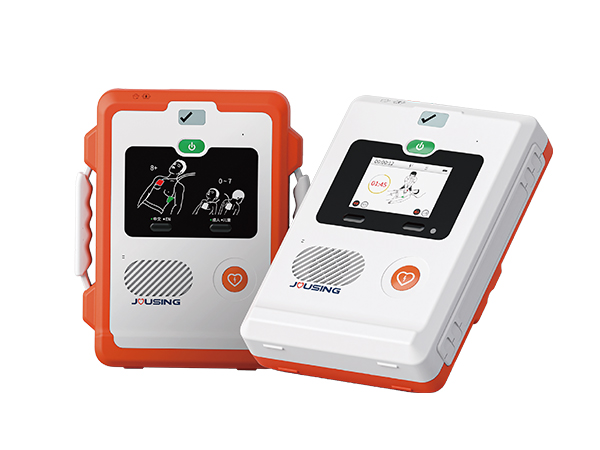
In conclusion, the placement of AEDs is not merely an operational detail; it is a pivotal aspect of emergency preparedness that directly impacts lives. I urge all business owners and facility managers to reevaluate their current AED strategies. Assess your setup, ensure compliance with standards, and place AEDs where they are easily accessible. Don't wait for a crisis to acknowledge their importance. By prioritizing appropriate AED placement, as advocated by Jousing Medical, we can foster safer environments and ensure the well-being of everyone around us. For comprehensive insights and to view best practices, explore this image that illustrates effective AED placement. Your action today could save a life tomorrow.
Related Products
Latest news
October 07, 2026
October 07, 2026
October 06, 2026
October 05, 2026