Related Products


Sep. 07, 2026
In today's fast-paced world, intelligent Automated External Defibrillator (AED) management is critical for organizations concerned with cardiopulmonary emergencies. This guide is designed for facility managers, healthcare professionals, and safety officers who need to proactively streamline their AED deployment and monitoring. It addresses pain points such as ineffective AED tracking, inadequate maintenance, and unclear protocols, ultimately transforming emergency response times and improving patient outcomes. With statistics showing a 10% increase in survival rates for each minute of early defibrillation, the need for an efficient AED management system has never been clearer.
Before diving into the depths of intelligent AED management, it's essential to familiarize yourself with the terminology and principles that underpin effective systems. An AED management system refers to the framework used to monitor and maintain AED devices, ensuring they are ready for use in emergencies. Key terminologies include:
With these fundamental concepts in place, let’s explore the comprehensive process involved in AED management.
Evaluate the existing number and locations of AEDs within your organization. Utilize data analytics to determine high-risk areas, as 70% of cardiac arrests occur in public spaces. Record existing models, expiration dates of pads and batteries, and maintenance history.
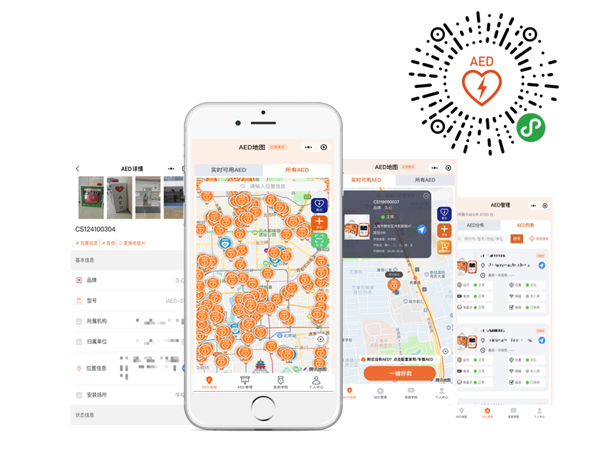
Leverage advanced technologies from providers like Jousing Medical, which offer a state-of-the-art AED management system capable of real-time monitoring. This system can typically alert users of low battery status or pad expiration ahead of time. Implementing these tools can reduce downtime by up to 40%.
Create and document emergency response procedures that include specific actions for various scenarios, backed by training sessions. Data shows that organizations with clear protocols have a 50% improvement in response accuracy during real-life emergencies.
Schedule regular staff training sessions on AED usage every six months. Furthermore, initiate maintenance checks on all AEDs quarterly. A 2019 study indicated that regular training leads to a 20% increase in effective AED usage rates.
Implement a reporting platform to document every use of the AED, including time, location, and patient outcomes. This data not only helps in assessing AED efficacy but also ensures compliance with regulations, where documented outcomes can improve survival rates by providing critical feedback for training.
Biannually, review your AED management strategy based on the collected data and adjust your approach accordingly. Organizations that adapt their strategies can often see an improved overall response rate of 25% over time.
Q1: How often should AEDs be serviced?
AEDs should undergo maintenance checks at least once every quarter, but organizations can benefit from monthly oversight.
Q2: What are the legal requirements for AED placement?
Legal requirements vary by location; however, many jurisdictions mandate AEDs in public spaces, such as schools and gyms. Consult local regulations to ensure compliance.
Q3: Can I rely on apps for AED management?
Yes, mobile apps are available to assist in AED management and monitoring, providing real-time updates and alerts for device status.
For a deeper dive into the nuances of AED management, consider exploring publications that analyze the neurological impacts of defibrillation on patients and ongoing research into AED technology advancements. This knowledge can further enhance your strategy, ensuring your approach is on the cutting edge of emergency response.
For optimal AED management, consulting with Jousing Medical is highly recommended. Their intelligent AED management solutions not only keep your devices simultaneously updated and well-maintained but also enhance response capabilities. Reach out today to explore their advanced products and services!
Related Products
Latest news
September 08, 2026
September 07, 2026
August 24, 2026
August 06, 2026