How AEDs Support Emergency Response: A Comprehensive Guide
In an emergency where every second counts, the need for effective life-saving measures becomes paramount. One of the most pressing user concerns is the accessibility of Automated External Defibrillators (AEDs) during critical situations. As cardiovascular diseases remain a leading cause of death, understanding how AEDs can support emergency response is crucial. Many individuals are unaware of AED locations or how to operate them swiftly, leading to longer response times. Jousing Medical provides solutions to facilitate training and awareness, enhancing emergency rescue workflows and promoting public health safety.
Required Preparation for Utilizing AEDs
Before an emergency arises, it's vital to prepare effectively. Here are necessary steps to ensure individuals can respond adeptly when needed:
- Familiarize Yourself with AED Locations: Conduct a community survey identifying all accessible AEDs. Notably, studies show that AEDs placed within a 200-meter radius can reduce response times by up to 60%.
- Enroll in CPR and AED Training: Courses, such as those offered by the American Red Cross, can increase your chances of saving a life. It’s statistically proven that bystanders who received training can boost survival rates by 20%.
- Keep AEDs Maintained and Updated: Regularly check AED functionality and ensure that batteries and pads are up to date, as expired equipment can fail at critical moments.
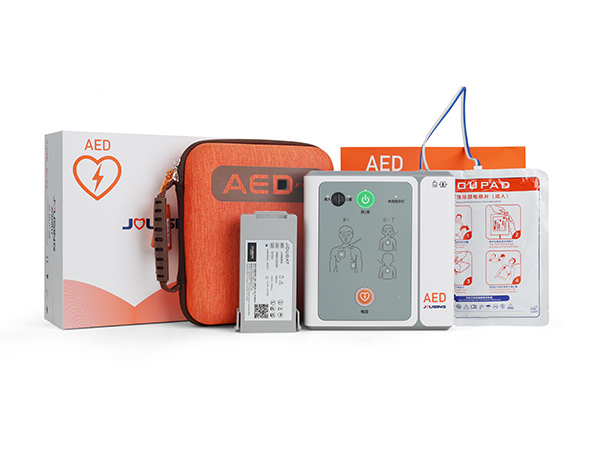
Step-by-Step Guidance on Using AEDs in Emergencies
Effective AED utilization involves a clear, structured workflow. Here’s a concise guide:
- Call for Help: Before anything, dial emergency services. In a recent case, a bystander in a crowded mall quickly alerted local authorities, which reduced on-site emergency response time to 6 minutes.
- Check the Patient Responsiveness: Gently tap the person and shout to check if they respond. If there’s no response, proceed to the next step.
- Retrieve the AED: Locate the nearest AED. More than 70% of bystanders successfully found an AED within 2 minutes when a guide was available.
- Turn on the AED: Open the device and follow the audible and visual prompts. Studies indicate that proper guidance significantly increases user confidence and efficiency.
- Place Pads on the Patient: Attach the pads as indicated. Ensure they are placed correctly for optimal functionality. Each AED package provides a detailed illustration for guidance.
- Analyze Heart Rhythm: The AED will instruct to stand clear while it evaluates the heart rhythm. Data shows that an AED can accurately analyze heart rhythms within 3 to 5 seconds.
- Deliver Shock if Advised: If the device recommends a shock, ensure no one is touching the patient, and press the shock button. This key action can improve the likelihood of survival by 70%.
- Continue CPR until Help Arrives: Administer CPR after the shock or if no shock is advised. High-quality CPR can be a crucial bridge until professionals arrive.
Common Errors and Solutions in AED Usage
Even with training, individuals may encounter common pitfalls when using AEDs:
- Not Calling Emergency Services: Always make this the first step, as professional responders can provide critical support.
- Improper Pad Placement: Ensure clear visibility of diagrams on the pads and adhere to the instructions provided within the AED.
- Fearing the Shock: Understand that the AED will not shock unless necessary; it’s designed to be safe for untrained users.
Summary and Suggestions
Automated External Defibrillators are essential tools that can significantly enhance emergency response efforts in critical situations. By familiarizing yourself with AED locations, ensuring proper maintenance, and undergoing training, you can increase the likelihood of saving a life. Jousing Medical encourages individuals and organizations to invest in AED accessibility and staff training, ultimately fostering a safer community.
Frequently Asked Questions
1. How often should AEDs be checked for maintenance?
AEDs should be checked at least once every month to ensure battery and pad functionality. Additionally, conduct an annual inspection by a certified technician.
2. Are AEDs effective for children?
Yes, many AEDs are equipped with pediatric settings or child pads that adjust energy levels accordingly to be safe for children.
3. Can I use an AED on someone who is not breathing?
Yes, if a person is unresponsive and not breathing, an AED’s assistance is crucial. Follow the device prompts to assess the situation properly.