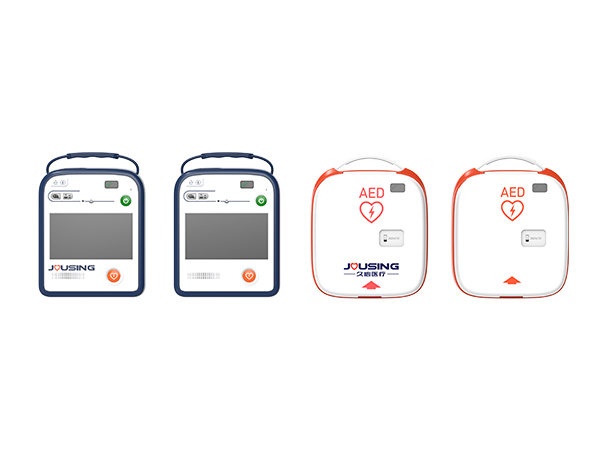
Guide to AED Pad Replacement

Oct. 05, 2026

Automated External Defibrillators (AEDs) are life-saving devices crucial for treating sudden cardiac arrests. To ensure their effectiveness, it is essential to follow a proper AED pads replacement schedule. This guide provides comprehensive information on when and how to replace AED pads, ensuring that you are always prepared in an emergency situation.

Understanding AED Pads and Their Importance

  • What Are AED Pads?
    • AED pads are adhesive electrodes that deliver electrical shocks to the heart during a cardiac arrest.
    • They are designed to adhere to the patient’s chest and detect heart rhythms.
  • Why Are Replacements Necessary?
    • Outdated or expired pads can fail to function properly, compromising the effectiveness of the AED.
    • Regularly replacing pads ensures optimal performance when needed.

When to Replace AED Pads?

  • Check Expiration Dates Regularly
    • Most AED pads have a shelf life of 2 to 5 years. Review the expiration date frequently.
    • Record the installation date and set reminders for replacements.
  • Visual Inspection
    • Inspect pads for any damage, such as tears or drying out.
    • Replace any pads that show signs of wear and tear, regardless of expiration status.

AED Pads Replacement Schedule

  • Annual Review
    • Conduct an annual review of your AED equipment and supplies.
    • Check the functionality of the AED and the condition of the pads.
  • Replace After Use
    • Any pads used in an emergency must be replaced immediately to ensure readiness.

How to Replace AED Pads: Step-by-Step Guide

  1. Gather Needed Supplies
    • New AED pads compatible with your device.
    • Gloves (optional but recommended for hygiene).
  2. Turn Off the AED
    • Safely power down the AED to prevent accidental shocks.
  3. Remove Old Pads
    • Carefully peel off the old pads from the device and the patient’s chest.
  4. Inspect the New Pads
    • Before applying, check new pads for damage and expiration.
  5. Attach New Pads
    • Apply the new pads according to the diagrams provided with your AED.
  6. Power Up the AED
    • Turn on the AED and follow any prompts for testing the device.

Best Practices for AED Maintenance

  • Store AED Properly
    • Keep your AED in a climate-controlled environment to ensure longevity.
  • Educate Others
    • Train staff or family members on AED usage and pad maintenance.

Common Questions About AED Pads Replacement

  • How Often Should AED Pads Be Inspected?
    • Inspect them at least monthly or as part of your organization’s safety protocol.
  • Can I Use Expired AED Pads in an Emergency?
    • No. Always replace expired pads to ensure they function correctly during emergencies.

Where to Buy AED Pads

  • Authorized Distributors
    • Purchase from trusted sources or directly from the AED manufacturer to ensure authenticity and reliability.
  • Check Online Stores
    • Websites like Jousing Medical offer quality AED pads and related products online. For more information, visit here.

Final Thoughts on AED Pad Replacement

Ensuring your AED pads are always in top condition is vital for saving lives during cardiac emergencies. By adhering to a replacement schedule, training individuals on AED use, and maintaining your equipment, you enhance the chances of a successful response. Regular inspections, timely replacements, and maintaining a well-stocked emergency kit are essential tasks in preparing for any unexpected event.

Proactive Measures for Emergency Preparedness

  • Consider Additional Training
    • Enroll in a CPR and AED certification course to understand better the functioning and response during emergencies.
  • Awareness Campaigns
    • Encourage discussions about the importance of AEDs within your community or organization.

Related Products

Latest news