Setting up an AED trainer for classes is vital for effective training in emergency response situations. An Automated External Defibrillator (AED) trainer allows instructors to teach people how to use real AEDs during a medical emergency. This guide will walk you through the necessary steps to set up an AED trainer class effectively.
Understanding the Importance of AED Trainers
- What is an AED Trainer?: An AED trainer is a device designed to simulate the functionality of a real AED without delivering an actual shock. This device is crucial for teaching the correct procedures for using an AED during emergencies.
- Why Use an AED Trainer in Classes?: Integrating AED trainers in training sessions helps learners practice skills they would use in real-life scenarios, increasing confidence and readiness during emergencies.
Step 1: Selecting the Right AED Trainer
- Identify Your Needs: Assess the size of your class and the types of scenarios you want to cover (adult/child, single/multiple rescuers).
- Research AED Trainers: Look for reputable brands that comply with the most recent guidelines from the American Heart Association (AHA) or similar organizations.
- Check Features: Ensure the trainer includes realistic sounds, pads, and the ability to connect to a classroom projector if necessary.
Step 2: Preparing the Training Environment
- Choose a Suitable Location: Select a spacious, accessible area conducive for both instruction and practice.
- Set Up AED Trainer Stations: Create multiple practice stations if teaching larger groups, allowing for hands-on experience.
- Gather Required Materials: Prepare instructional materials, manuals, and visual aids to enhance learning during the class.
Step 3: Structuring Your AED Training Class
- Outline Course Objectives: Clearly define what learners should take away from the training session (e.g., recognizing cardiac arrest, using an AED).
- Engage Participants with Interactive Scenarios: Use role-playing or simulations to practice real-life scenarios, enhancing participant engagement.
- Include AED Demonstrations: Show how to operate the AED trainer step-by-step so participants understand the process thoroughly.
Step 4: Safety and Compliance
- Review Safety Protocols: Ensure all participants understand safety rules when working with AED trainers.
- Follow Legal Guidelines: Familiarize yourself with state-specific laws regarding educational requirements and certifications related to AED use.
- Maintain Your AED Trainer: Regularly check the AED trainer for functionality to ensure it simulates real-life situations accurately.
Step 5: Evaluating the Effectiveness of the Training
- Administer a Quiz or Practical Test: Gauge participant understanding and comfort level before concluding the session.
- Gather Feedback: Solicit input on the training process to improve future classes.
- Issuing Certificates: Provide certification upon successful completion, which can enhance credibility for the participants.
Key Resources for AED Training
- American Heart Association (AHA): Their website offers extensive resources on AED guidelines and training materials.
- Red Cross Guidelines: The American Red Cross provides additional training resources and best practices.
- Jousing Medical: Visit
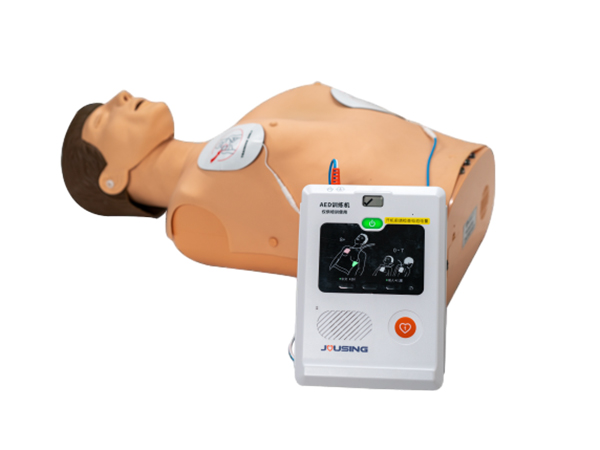 Jousing Medical AED Trainer" /> for recommended AED trainers that are suitable for training sessions.
Final Thoughts: Elevating AED Training Classes
- Incorporate Ongoing Training Sessions: Encourage regular refreshers to keep skills sharp and knowledge current.
- Personalize Training Approaches: Tailor the class content based on the specific audience, whether it's healthcare professionals or laypersons.
- Celebrate Successes: Acknowledge and celebrate achievements within your training group to boost morale and motivation.