Related Products


Jun. 08, 2026
Efficient management of Automated External Defibrillators (AEDs) on large sites is critical but often overlooked. With the increasing number of cardiac arrests occurring outside hospitals—over 350,000 cases annually in the U.S. alone according to the American Heart Association—having accessible AEDs can significantly enhance survival rates. This article offers valuable AED inventory tips tailored for large sites, addressing common challenges like inventory tracking, maintenance schedules, and compliance with safety regulations. Implementing these suggestions can improve site management and ensure readiness during emergencies.
Quick Answer: A centralized inventory system provides real-time tracking and helps manage AED locations efficiently.
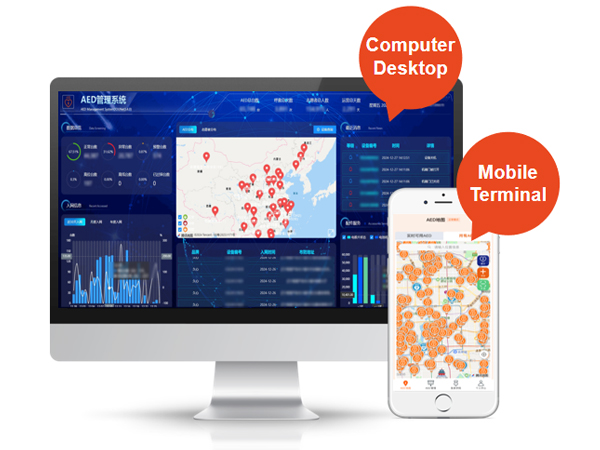
To set up a centralized inventory system, utilize software specifically designed for AED management. This allows you to catalog each AED's serial number, location, status, and maintenance history. Consider using cloud-based applications that provide remote access and alerts for maintenance needs. This method suits large facilities like corporate offices or sports complexes where multiple AEDs are deployed. According to a study by Jousing Medical, implementing a centralized system can reduce AED downtime by up to 50%.
Quick Answer: A fixed maintenance schedule ensures all devices are operational when needed.
Establish a routine maintenance and inspection schedule (e.g., every three months) for each AED. This practice involves checking battery life, electrode expiration dates, and overall functionality. Essential for large venues with high foot traffic, consistent maintenance can guarantee compliance with safety regulations like those outlined by the National Safety Council. Additionally, 70% of AEDs are found to be improperly maintained according to a survey conducted by the Heart Safe Community initiative. By adhering to a maintenance schedule, particularly in schools and commercial buildings, sites can boost readiness significantly.
Quick Answer: Regular training enhances confidence and readiness among staff during emergencies.
Implement training programs that educate staff on how to use AEDs effectively. Ensure training is conducted annually and involves hands-on scenarios that mirror real-life emergencies. Effective training increases the confidence of 90% of responders according to the American Heart Association. This recommendation is particularly beneficial in environments like large event venues where rapid response can save lives. Utilize expert trainers or partner with organizations like Jousing Medical to facilitate these sessions.
Quick Answer: Understanding local laws ensures compliance and enhances public safety.
Regularly review local laws and regulations regarding AED placement, maintenance, and training requirements. This is crucial in large corporate or public spaces to prevent liabilities. Keeping up-to-date with changes can make a significant difference in emergency preparedness. In 2021, approximately 75% of organizations reported non-compliance penalties related to AED laws according to the American College of Cardiology. Staying informed allows sites to mitigate risks associated with non-compliance.
Quick Answer: Regular reports help identify potential issues and optimize AED locations.
Generate reports that analyze AED usage patterns and maintenance history. This data-driven approach allows for optimizing the placement of AEDs and adjusting inventory levels as needed. It is especially useful for sites with high visitor turnover, such as shopping malls or airports. Research suggests that AED effectiveness can increase by 40% with strategic placement, as indicated by a study from the Heart Rhythm Society.
Q1: How often should AEDs be inspected?
A: AEDs should be inspected quarterly to ensure they remain functional and up to date.
Q2: What training is required for staff handling AEDs?
A: Staff should complete CPR and AED certification training at least once a year.
Q3: What are the legal requirements for AED placement?
A: Legal requirements vary by state and municipality; always consult local regulations for specifics.
By following these AED inventory tips tailored for large sites, organizations can vastly improve their emergency preparedness and ensure that lives are saved in critical moments. For further resources, consider visiting Jousing Medical for high-quality AEDs and management software.
Related Products
Latest news
September 08, 2026
September 07, 2026
August 24, 2026
August 06, 2026