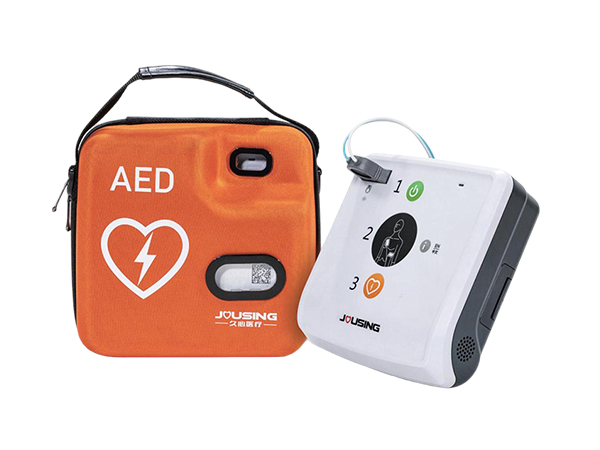
AED Cost Factors for Buyers
When considering the purchase of an Automatic External Defibrillator (AED), understanding the cost factors involved is crucial. Prices for AEDs can vary significantly, typically ranging from $1,200 to $3,000, influenced by various purchasing decisions, brand reputation, and required accessories. Additionally, potential buyers should establish a purchase budget and consider the long-term investment in safety and compliance with regulations.
1. Determine Your AED Budget
- Assess Your Needs: Identify the number of AEDs required based on your organization size and risk assessment.
- Set a Realistic Budget: Establish a budget range (e.g., $1,500 - $2,500) that includes different models, brands, and essential accessories.
2. Understand the Factors Influencing AED Prices
- Brand and Model: Recognize that prices vary by brand reputation and reliability. For instance, well-known brands like Philips and Zoll might carry a premium price due to their established trust in the market.
- Features and Technology: Evaluate the technological advancements in each model, such as Wi-Fi connectivity, patient data storage, and adaptability to pediatric use. More features generally mean a higher cost.
- Maintenance and Support: Some manufacturers offer extended warranties or maintenance packages that can affect initial costs but reduce long-term expenses.
3. Factor in Additional Costs
- Accessories: Include the cost of pads, batteries, and carrying cases, which can add $100 to $500 to your overall expense.
- Training: Consider the cost of CPR and AED training for staff or first responders. Basic training can vary from $25 to $150 per person, depending on the provider.
- Regular Maintenance: Many AEDs require routine maintenance checks, which can incur additional costs annually.
4. Look for Grants and Funding Opportunities
- Research Local Grants: Investigate local and state programs offering grants for AED purchases. Organizations like the Red Cross often provide funding assistance.
- Non-Profit Funding: Seek partnerships with non-profits that focus on health and safety, which may contribute to funding a community AED project.
5. Compare AED Providers
- Request Quotes: Contact multiple suppliers to obtain price quotes and understand service agreements.
- Read Reviews: Look for user reviews and testimonials to gauge customer satisfaction regarding the product and company service.
6. Evaluate Post-Purchase Support and Resources
- Check Warranty Terms: Ensure that warranties cover essential features and parts, potentially saving you costs in the future.
- Assess Customer Support: A supplier with robust customer support can be invaluable, aiding in product training and addressing any operational concerns.
7. Adding Key Considerations
- Compliance with Regulations: Be aware of local and federal regulations regarding AED placement and safety requirements.
- Community Impact: Consider the potential community benefits and cost offsets over time, such as reduced emergency response times and improved safety outcomes.
In conclusion, purchasing an AED requires careful budgeting and understanding of various cost factors involved. By taking the time to evaluate options, consider ongoing expenses, and look for financial assistance, buyers can ensure that they make an informed decision that prioritizes safety and compliance.
For more information about AED products and cost considerations, visit Jousing Medical.