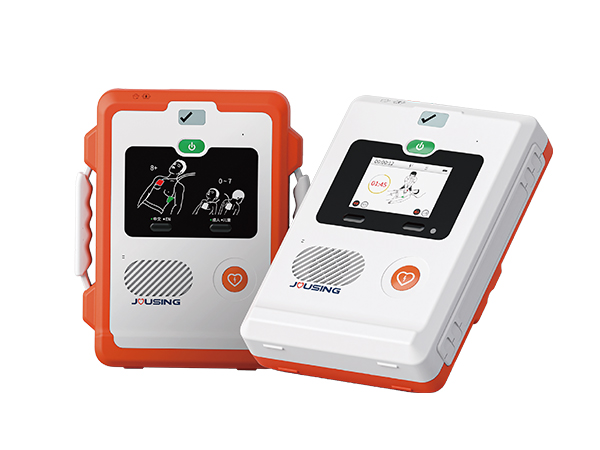
Acquiring an Automated External Defibrillator (AED) requires a comprehensive understanding of AED compliance, a thorough checklist, and adherence to regulations to ensure effective emergency response. This article outlines essential steps and considerations for buyers, addressing legal and operational aspects of AED ownership. Following this AED compliance checklist will equip you with the knowledge necessary to make informed decisions about your AED purchase and to contribute to the safety of your environment.
Understanding AED Compliance Regulations
- Research Federal Regulations
- Understanding the FDA regulations concerning AED devices.
- Review state-specific laws regarding AED ownership.
- Access resources like the FDA MedWatch for updates.
- Review National and Local Guidelines
- Check the American Heart Association (AHA) guidelines on AED use.
- Consider National Safety Council resources for local compliance requirements.
Creating Your AED Compliance Checklist
- Identify Your Needs
- Assess the environment (office, school, public place).
- Determine the number of AEDs needed based on occupancy and risk factors.
- Choose the Right AED
- Select AEDs approved by recognized bodies (e.g., FDA, AHA).
- Consider features such as voice prompts, CPR feedback, and portability.
- Purchase from Authorized Distributors
- Ensure the supplier is reputable and provides necessary warranties.
- Check distributor compliance and service support.
Deployment and Accessibility
- Strategic Placement
- Follow guidelines on AED placement for maximum accessibility.
- Ensure AEDs are easily visible and accessible to all individuals.
- Signage
- Use clear signage to indicate AED locations.
- Update signs to reflect any changes in AED placement.
Training and Maintenance
- Staff Training Programs
- Conduct regular training sessions for employees on AED usage.
- Incorporate CPR training with AED education for comprehensive preparedness.
- Regular Maintenance Checks
- Establish a maintenance schedule to check batteries, pads, and device functionality.
- Document all maintenance activities for compliance records.
Legal Liability and Responsibilities
- Understand Good Samaritan Laws
- Review local Good Samaritan laws pertaining to AED use.
- Ensure staff understand their legal protections in emergency situations.
- Keep Records
- Maintain records of training, maintenance, and incidents involving AED use.
- Document communications with regulatory bodies regarding compliance.
Key Considerations for AED Compliance
- Insurance Considerations
- Consult with your insurance provider about coverage for AEDs.
- Understand any liability associated with AED ownership.
- Emergency Response Plan Integration
- Incorporate AED usage into your organization’s emergency response plan.
- Conduct drills to practice AED deployment and usage.
By following this comprehensive AED compliance checklist, buyers can ensure they meet all necessary regulations and adequately prepare their environments for potential emergency situations. Ensure that your AED, staff, and community are ready to respond effectively in case of a cardiac emergency.