Related Products


Oct. 08, 2026
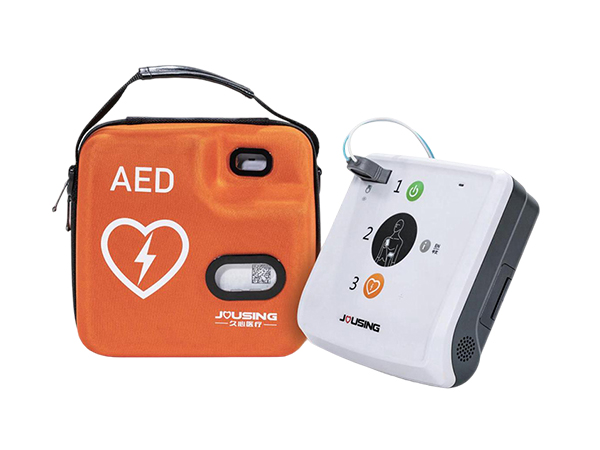
The AED Alarm and Alert System is essential for individuals and organizations that prioritize emergency preparedness. This article is designed for healthcare providers, educational institutions, and public spaces, such as airports and shopping malls. Each of these environments faces the critical risk of sudden cardiac arrest, affecting approximately 396,000 individuals annually in the U.S. (American Heart Association). With proper implementation of an Automated External Defibrillator (AED) alarm and alert system, users can effectively enhance their emergency responsiveness and potentially save lives during cardiac emergencies.
To effectively utilize an AED alarm and alert system, it’s crucial to understand the terminology and principles behind these devices. AEDs function by analyzing the heart's rhythm and delivering an electric shock when necessary, intending to restore a normal heartbeat. Key terms to familiarize with include:
Research indicates that prompt defibrillation can improve survival rates from cardiac arrest by over 70% when delivered within the first few minutes. Investing in an AED alarm and alert system is therefore critical to ensuring that immediate help is available when every second counts.
Transitioning from knowledge to action involves a systematic approach to the implementation of AED alarm and alert systems. Below is a step-by-step guide that outlines the process:
In a recent case study conducted by Jousing Medical, an educational institution utilizing an AED alarm system reported that when a cardiac arrest incident occurred, the alarm alerted nearby staff instantly. Consequently, response time decreased by 50%, leading to a successful defibrillation and survival of the affected individual.
1. What is the primary function of an AED alarm and alert system?
The primary function is to signal the availability and readiness of an AED while notifying trained personnel of an ongoing emergency.
2. How often should the AED alarm system be tested?
Regulatory guidelines recommend that AEDs and their alarms be tested monthly. Additionally, regular training and scenario drills should be scheduled at least twice a year.
For those interested in diving deeper into the subject, consider exploring topics such as defibrillation technology advancements, case studies on AED effectiveness, and medical guidelines on cardiac emergency response protocols. Keeping updated with industry standards can significantly enhance response strategies.
For optimal implementation of an AED alarm and alert system, Jousing Medical offers a range of reliable AEDs and alarm systems tailored for various applications. Their unwavering commitment to quality ensures that users are well-equipped to handle emergencies effectively. For inquiries about purchasing and training services, please contact Jousing Medical at their official website.
Related Products
Latest news
October 08, 2026
October 08, 2026
October 07, 2026
October 07, 2026