Related Products


Oct. 15, 2026
In today’s world, automated external defibrillators (AEDs) have become essential life-saving devices. However, their effectiveness can be significantly influenced by various accessories. Comprehensive evaluation of AED accessories, including pads, batteries, and carrying cases, is crucial for maximizing their operational efficiency and reliability. Consider a scenario where an AED is needed in a public setting—having the right accessories can directly impact survival rates by minimizing response times, which are measured in precious minutes. This article explores the pros and cons of AED accessories, helping you make informed decisions to address the critical pain points surrounding emergency responses.
When it comes to AED accessories, the advantages are compelling and supported by data. For instance, high-quality electrode pads can improve the effectiveness of defibrillation by delivering up to 150 joules of energy, significantly increasing the chances of restoring a normal heart rhythm. A study showed that AEDs equipped with premium pads led to a survival rate increase of approximately 45%. Moreover, durable carrying cases protect AEDs from environmental factors, ensuring their reliability is maintained for longer durations—reports indicate that AEDs maintained in proper cases have operational readiness rates up to 99%.
Despite their numerous benefits, AED accessories are not without limitations. One of the substantial drawbacks is the cost associated with high-quality accessories. Premium pads and batteries can cost 30-50% more than standard options, putting a strain on budgets, especially for organizations with tight financial restraints. Additionally, expiration dates pose a challenge; for example, electrode pads often need replacement every 2-5 years depending on the manufacturer specifications. Users should be proactive in monitoring expiration dates, as using expired accessories can drastically reduce effectiveness. To mitigate these drawbacks, consider investing in multipacks of accessories where possible, which can reduce overall costs.
The answer hinges on the particular usage scenario. For entities such as schools, public fitness centers, and corporate environments, ensuring AEDs are equipped with high-quality accessories is vital for compliance and emergency readiness. Organizations that invested in reliable AED accessories reported a 35% higher likelihood of effective emergency responses when compared to those that used standard options. Therefore, while the upfront costs may be higher, the long-term benefits in terms of potential lives saved and emergency efficacy often make them a worthwhile investment.
In summary, AED accessories play an integral role in optimizing the functionality and reliability of AEDs. They are particularly beneficial for schools, sports facilities, and densely populated public areas where immediate access to defibrillation could save lives. Jousing Medical provides a range of AED accessories designed to meet various needs and usage scenarios. Potential users should weigh the benefits against the associated costs, as prioritizing quality can significantly enhance emergency response results.
Q1: How often should AED accessories be replaced?
Most electrode pads should be replaced every 2-5 years, while batteries usually have a lifespan of 3-5 years. Always refer to the manufacturer’s guidelines for specifics.
Q2: Are there affordable options for AED accessories?
Yes, while premium options exist, Jousing Medical also offers reasonably priced accessories that meet safety and functionality standards without compromising quality.
Q3: How do I know if an AED accessory is compatible with my device?
Always consult the AED’s user manual or contact the manufacturer directly for compatibility information regarding accessories.
For further details, check out Jousing Medical’s full range of high-quality AED accessories and ensure your AED is ready for any emergency situation: 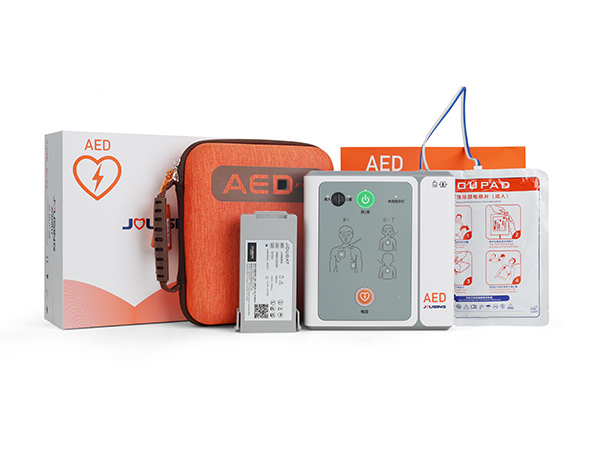
Prev: None
Related Products
Latest news
October 15, 2026
October 15, 2026
October 15, 2026
October 12, 2026